What Does the $26 Billion Foreclosure Settlement Mean for Homeowners?
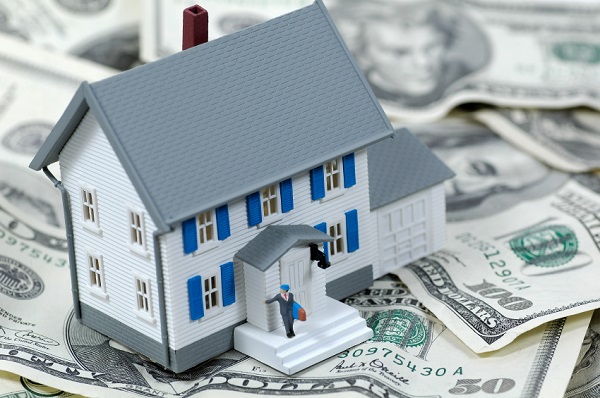
(Image by Mike Licht, via Flickr.com)
According to the New York Times, nearly four million families lost their homes to foreclosure between 2007 and 2012. In 2010, however, it became increasingly clear that not all foreclosures were legitimate. Misconduct ranged from banks cutting corners to outright fraud. “Robo-signings” entered the public lexicon, a reference to foreclosures based on documents that were either forged or never actually reviewed in the first place. Public outcry grew, resulting in an 50 state attorneys general investigating mortgage fraud. A foreclosure settlement was reached between five of the nation's biggest banks and 49 states, for a total of $26 billion to be distributed between the states and approximately two million current and former homeowners. But will the settlement be the housing crisis cure-all homeowners and state governments have been hoping for?
What Does the Foreclosure Settlement Do?
The largest portion of the settlement, $17 billion, requires banks to reduce the principal balance on underwater homeowners that are currently in default or at risk of default, or facilitate homeowner assistance with short sale, forbearance or relocation after foreclosure. The next largest amount, $3 billion will be allocated to assist underwater homeowners, who are current on their mortgages, refinance to a lower rate and payment. Approximately $2.5 billion will be distributed to the states which presumably would be used to enhance foreclosure relief and prevention, and housing counseling programs. The smallest portion, $1.5 billion will go toward direct payments to some 750,000 homeowners that were previously foreclosed upon after January 1, 2008. Banks have up to three years to distribute the aid with Florida ($7.6 billion) and California ($12 billion) receiving more than half of the settlement package, as these states were disproportionately affected by the mortgage crisis.
Who is Affected by the Foreclosure Settlement?
The settlement only covers privately held mortgages issued by five of the countries largest mortgage servicers. Only those who actually lost their homes will see any cash benefit. The rest of the settlement will come in the form of restructuring or refinancing loans for one million current American homeowners. The banks are, of course, also affected. Five major banks have agreed to the settlement, including Ally ($310 million), Citigroup ($2.2 billion), JP Morgan Chase ($5.3 million), Wells Fargo ($5.4 million) and Bank of America ($11.8 billion). Nine other lenders are currently in talks with the federal government, which could increase the total foreclosure settlement by as much as $4 billion.
Who is Not Affected by the Foreclosure Settlement?
Lots of people, as it turns out. Homeowners with mortgages insured by the Federal Housing Association are not a part of the settlement. Fannie Mae and Freddie Mac loans account for approximately half of America's mortgages, and are likewise not covered by this settlement. The federal government has incentivized a similar program for Fannie and Freddie, although exact details have yet to be determined.
Potential Benefits of the Foreclosure Settlement
One major benefit the settlement is expected to have is to eliminate the incentive to engage in a “strategic default.” This is when a homeowner decides that it's better to walk away from their mortgage rather than keep paying down on it. Many people choose to do this because they owe more on the home than it is actually worth. Reducing the principal on underwater mortgages not only makes it easier for homeowners to keep paying, but it also makes it possible to sell their homes. The banks have also committed to facilitating homeowners to short sell their homes, or sell them at a price less than the outstanding balance on the mortgage.
Potential Problems with the Foreclosure Settlement
As with any such solutions, the program has some naysayers. The Washington Post reported that in the short term the settlement might actually lead to an increase in home seizures. The reason being that many foreclosures have been in limbo since the investigation into mortgage fraud began. Banks sat on their hands, waiting to see what would come of the investigations. Last year alone, mortgage foreclosure filings fell by 34 percent. Foreclosures for 2012 are already up 25 percent to date. The Washington Post article also stated that this foreclosure and home seizure wave could drive down housing prices over the short term. Finally, there's the potential that states might not even use the money as it is intended. Huffington Post reported that Wisconsin's governor planned to use $25.6 million (about 18 percent) to plug budget holes while Missouri's attorney general sought to put $40 million (about 20 percent) in the state's general fund.
Does the Foreclosure Settlement Go Far Enough?
Some have questioned whether or not the foreclosure settlement goes far enough. Indeed, some state governments (most notably California) were holding out for something bigger but ultimately acquiesced. An editorial on Bloomberg.com described the settlement as “a pittance,” but goes on to say that the settlement has “teeth.” Homeowners have some degree of power in the settlement, as banks will not get any credit for mortgage adjustments that homeowners don't accept. Further, banks who fail to meet the goals established by the settlement will have to pay out the difference in addition to a penalties for willful disregard of the settlement's provisions.
The Mortgage Settlement and Its Discontents
It's virtually guaranteed that any foreclosure settlement would have been criticized both by people who think that it went too far and those who think it didn't go far enough. When we posed this question to Tony Wahl, mortgage lending expert at CreditSesame.com, we get a sense of the faint, but limited reach from his answer: "While this settlement will by no means resolve the housing crisis, it does represent an important first step and provides consumers to some degree of protection from the abusive loan servicing practices of the past." And as experts and pundits on all sides of the issue prognosticate, there's no real way of telling how the foreclosure settlement will affect the broader economy until it plays out in the real world.
Leave a Comment